
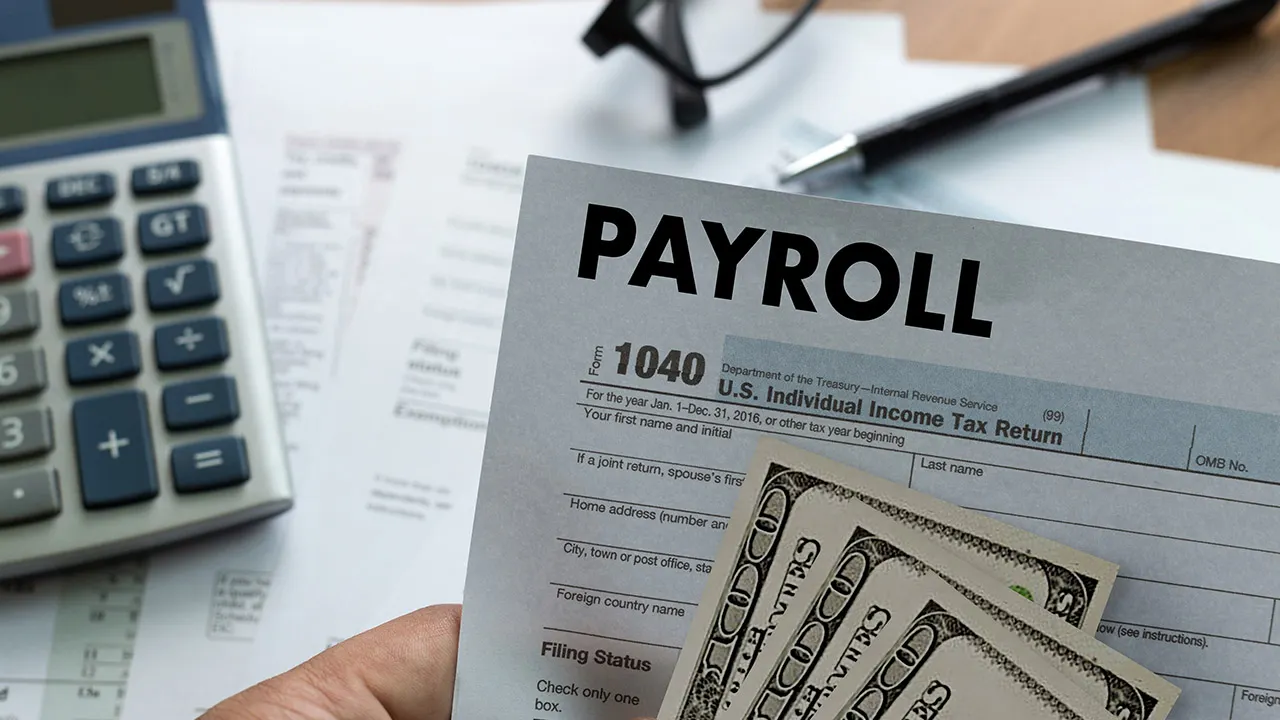
Why Payroll Bookkeeping Is Critical in Connecticut
Payroll is more than paying employees, it involves accurate wage tracking, state and federal tax withholding, and strict recordkeeping. In Connecticut, payroll compliance carries additional layers due to state-specific rules.
Good payroll bookkeeping protects businesses from compliance risks, employee disputes, and tax penalties.
Connecticut Payroll Tax Requirements (Simple Breakdown)
1. CT Income Tax Withholding
Employers must withhold for:
- Connecticut state income tax
- Any applicable local requirements
2. CT Unemployment Insurance (SUTA)
Paid to the Connecticut Department of Labor.
3. Paid Family and Medical Leave (CT PFML)
Most employees contribute via payroll deductions, requiring precise bookkeeping.
4. Federal Requirements
- FICA (Social Security & Medicare)
- FUTA
- Federal income tax withholding
Setting Up Payroll Bookkeeping for Connecticut Businesses
1. Register with State Agencies
Employers must register with:
- CT Department of Revenue Services (DRS)
- CT Department of Labor
2. Implement a Payroll System
Choose payroll software that supports:
- CT wage laws
- PFML deductions
- Automatic state tax updates
- Integration with accounting software
3. Track Required Payroll Records
Connecticut requires employers to maintain payroll records such as:
- Wage details
- Hours worked
- Deductions
- Employee classifications
4. File Payroll Reports Accurately
CT payroll filing deadlines vary by business size and payroll frequency. Bookkeepers must track due dates for:
- State withholding returns
- Unemployment insurance reports
- Federal 941/940 forms
Connecticut Payroll Mistakes to Avoid
- Misclassifying employees as 1099 contractors
- Incorrect PFML calculations
- Missing wage garnishment rules
- Late tax filings
Final Takeaway
Effective Connecticut payroll bookkeeping ensures accurate wage payments, smooth audits, and full compliance with both state and federal laws.